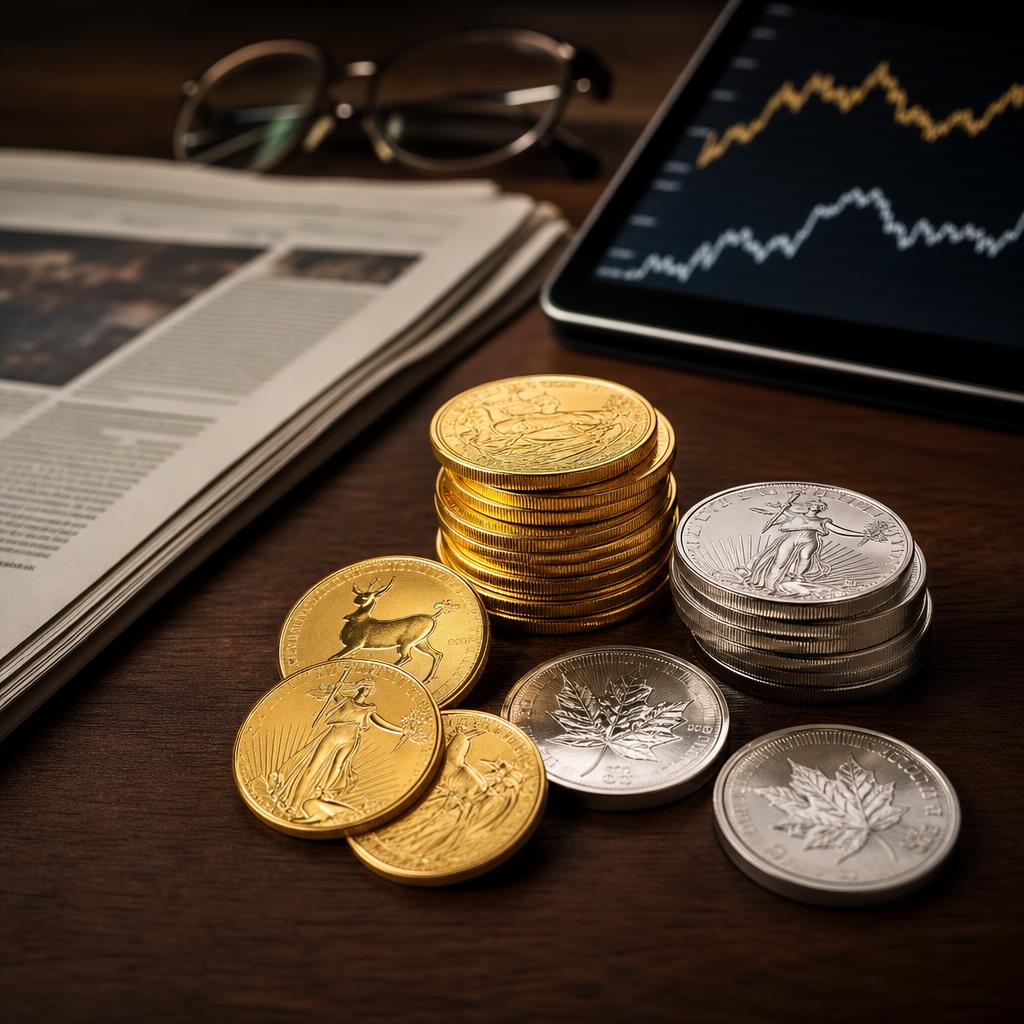
Gold and silver do not move because of one headline. Interest rates, the dollar, inflation, energy costs, geopolitical events, investor positioning, and industrial demand can all act at the same time. Understanding those forces is more useful than trying to predict tomorrow's exact price.
Current-price reference: a TradingView snapshot provided by Gold Buyers Connecticut showed gold at $4,344.92 per ounce and silver at $65.35 per ounce at 7:18 p.m. on September 17, 2026. Market prices can change throughout the day.
The Fed Raised Rates on September 16
The Federal Reserve raised interest rates by a quarter percentage point on September 16, its first increase in three years. The official statement said inflation remained elevated and uncertainty remained high in part because of geopolitical developments. The Fed also raised the rate paid on reserve balances to 3.90%, effective September 17.
Higher interest rates can pressure precious metals because gold and silver do not pay interest. When yields on savings products and bonds rise, holding a non-yielding asset can look less attractive. That relationship is not automatic, however. If investors believe inflation or financial risk is rising faster than rates, demand for precious metals can remain firm.
The US Dollar and Bond Yields
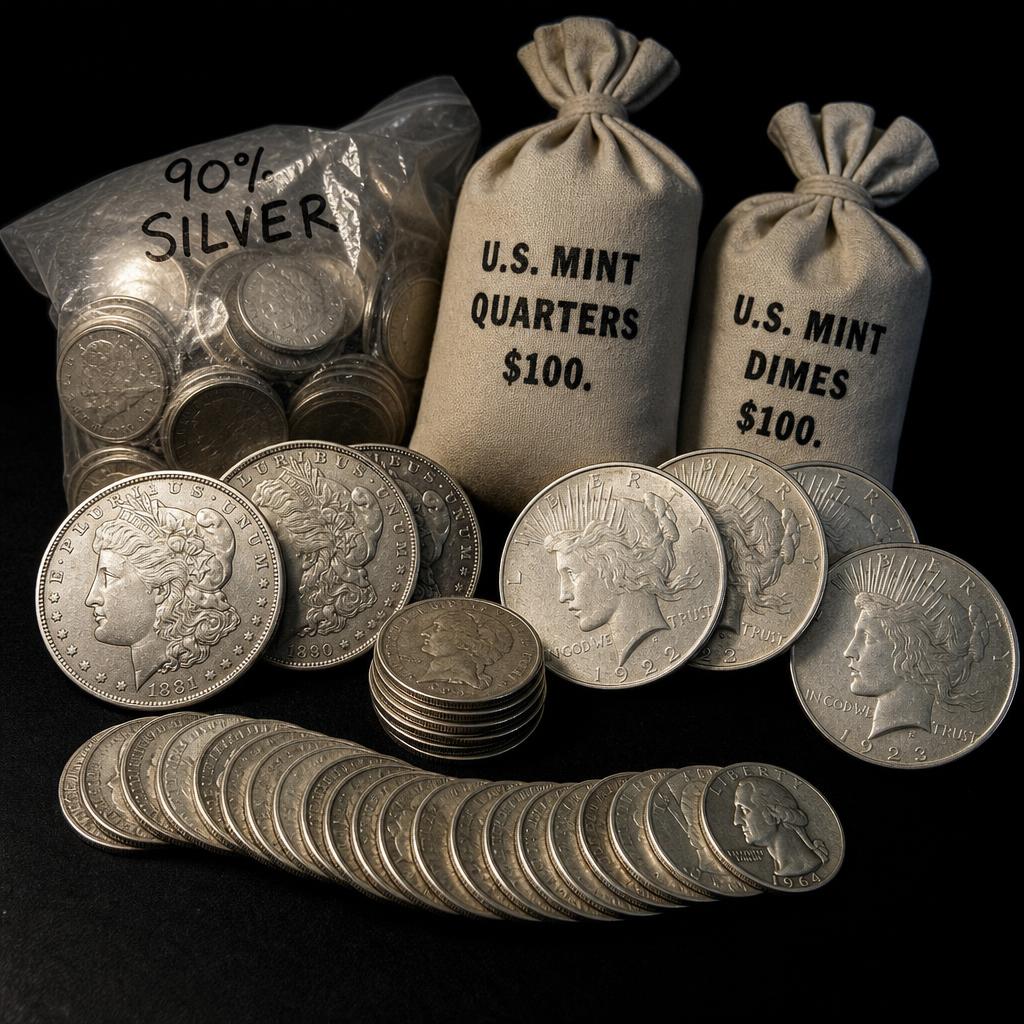
Gold and silver are commonly quoted in US dollars. A stronger dollar can make the metals more expensive for buyers using other currencies, which may reduce demand. Rising Treasury yields can create similar pressure by increasing the opportunity cost of holding metal. A weaker dollar or falling real yields can provide support, but markets often move before an official decision as traders adjust expectations.
Oil Prices Are Feeding the Inflation Debate
Energy prices have been unusually volatile this month. Forbes reported on September 10 that Brent crude rose about 4% to $105.07 as tensions involving the United States and Iran increased. Yahoo Finance reported that oil moved back below $100 on September 17 after approaching $108 the previous day as expectations improved around flows through Saudi Arabia's East-West pipeline.
Expensive energy can lift transportation and production costs throughout the economy. That can support precious metals as an inflation hedge, while also encouraging the Fed to keep rates higher—an opposing force. The result is often sharper day-to-day movement rather than a simple one-direction trade.
Inflation Data Can Change Rate Expectations Quickly
Forbes reported that US wholesale prices rose 0.4% in August. Persistent inflation can increase interest in hard assets, but it can also lead investors to expect tighter monetary policy. This is why the same inflation report can initially lift gold on safe-haven demand and later pressure it as bond yields rise.
Geopolitical Risk Is Important—but Not Predictable
War, trade disputes, sanctions, and disruptions to energy infrastructure can increase demand for assets perceived as stores of value. Yet recent trading also shows that gold does not rise after every alarming headline. Markets may focus instead on oil, inflation, the dollar, or whether investors had already positioned for the event.
Silver Has an Industrial Side Gold Does Not
Silver is both a precious metal and an industrial input used in electronics, solar equipment, electrical contacts, medical applications, and other technologies. Expectations for manufacturing and technology demand can support silver, while fears of slower economic growth can weigh on it. This dual role helps explain why silver often moves more sharply than gold.
What to Watch Without Trying to Time the Market
- Federal Reserve statements and incoming inflation reports
- Changes in Treasury yields and the US dollar
- Oil prices and disruptions to major energy routes
- Geopolitical developments and trade policy
- Manufacturing, solar, electronics, and technology demand for silver
- The live market price at the exact time an appraisal is calculated
Market commentary is educational, not a prediction or investment recommendation. If you are selling an item, its purity, weight, authenticity, condition, and collector value matter alongside the market price.
You do not need to predict the next market move to understand what you own. Bring your gold, silver, jewelry, or coins to Gold Buyers Connecticut for a free appraisal based on verified metal content and the live market.